Service Overview
Artificial turf does not last forever, and the installations from the earlier adoption wave in Humble and Atascocita—primarily from 2012 through 2018—are reaching the point where replacement makes more economic sense than continued repair. Fiber flattening that cannot be restored by infill refresh, backing deterioration that allows surface delamination, sub-base failures that have compounded over multiple weather cycles, and widespread seam failure across an installation are all indicators that the surface has reached end-of-life. Turf Installation of Humble replacement service handles full removal, disposal, base reassessment and correction, and new surface installation in a complete project scope.
The decision between repair and replacement is not always straightforward. For a household in the Atascocita or Eagle Springs neighborhoods where the existing turf was installed ten or eleven years ago, the question is whether targeted repairs to the current failure points will hold long enough to justify the cost, or whether the installation is broadly at a condition where new problems will emerge quickly after each repair. We assess this honestly rather than defaulting to the higher-revenue recommendation. When the surface condition across the whole installation—not just the failed sections—shows consistent indicators of end-of-life, replacement is the right call.
For pilot households and IAH-area families who have been managing an aging turf installation with periodic repairs over the past few years, replacement represents a reset that eliminates the repair cycle. The new installation, planned with current materials and base preparation standards, should not require significant repair attention for the first several years of its service life. For households operating on aviation schedules where each service coordination is a logistical challenge, reducing the frequency of required service contacts is itself a practical benefit.
Replacement projects begin with an assessment of the current installation—surface condition, backing integrity, seam status, edge condition, and sub-base performance. The sub-base assessment is particularly important because the decisions made about base preparation during the original installation affect whether the existing base material can be retained and corrected or needs to be replaced. Many installations from the earlier wave used base materials that have since compacted beyond the point where they can be adequately re-graded without full removal.
North Houston's clay-heavy soils in Humble and Atascocita contribute to base performance issues over time. Even well-installed bases settle and shift with the soil movement driven by the moisture cycle in this area. An original installation that was properly graded in 2014 may have developed drainage slopes that no longer direct water where they should after a decade of seasonal soil movement. Replacement gives us the opportunity to re-establish correct grade and drainage direction with the benefit of knowing exactly how the site drains based on the years of behavior visible in the current installation.
Material selection for replacement benefits from advances in product technology since the original installation date. Turf fibers, backing systems, and infill products have all improved over the past decade. We discuss material options in the context of how the surface will be used—a back yard with significant pet activity needs different product specifications than a front lawn installation intended primarily for appearance—and recommend products based on actual performance characteristics rather than manufacturer marketing claims.
Removal and disposal are handled as part of the replacement scope. The existing turf and base material are removed, disposed of appropriately, and the area is prepared for new base installation. We do not simply cover an existing installation with a new layer—this approach compromises drainage performance and shortens the useful life of the new installation significantly.
For commercial properties in the IAH corridor that are replacing aging frontage or courtyard turf, replacement planning includes coordination with facilities management to minimize operational disruption. Phased replacement that keeps portions of the commercial landscape accessible during the project is feasible for many sites and is planned as part of the initial scope review.
The completed replacement installation should reflect the current state of practice in base preparation, drainage planning, and surface installation quality—not simply replicate what was done originally with new materials.
What Turf Replacement Includes
Full replacement scope covers removal of the existing installation through completion of the new surface. Standard scope items include:
Existing Installation Assessment
Evaluation of surface condition, backing integrity, sub-base performance, and drainage behavior before replacement planning is finalized.
Removal and Disposal
Complete removal of existing turf, base material as needed, and proper disposal. We do not layer over existing installations.
Sub-Base Correction and Preparation
Assessment and correction of the sub-base, re-grading to establish proper drainage slopes, and installation of fresh aggregate base at correct depth and compaction.
New Surface Material Selection
Product selection appropriate to the use pattern, traffic type, and performance requirements of the specific installation.
Professional Installation
Complete new turf installation with seam placement, perimeter anchoring, edge finishing, and infill distribution.
Post-Installation Review
Final walkthrough confirming surface quality, edge condition, and maintenance guidance for the new installation.
Replacement Project Process
Replacement projects follow a complete sequence from assessment through new installation completion.
1. Existing Installation Assessment
We inspect the current surface, backing, base, and drainage to understand what needs to be corrected before new material is installed.
2. Scope and Material Planning
Base prep requirements, new product specifications, and project sequencing are documented before scheduling begins.
3. Removal and Base Work
Existing turf and necessary base material are removed, sub-base is corrected, new aggregate base is installed at proper depth and compaction, and grade is verified.
4. New Surface Installation
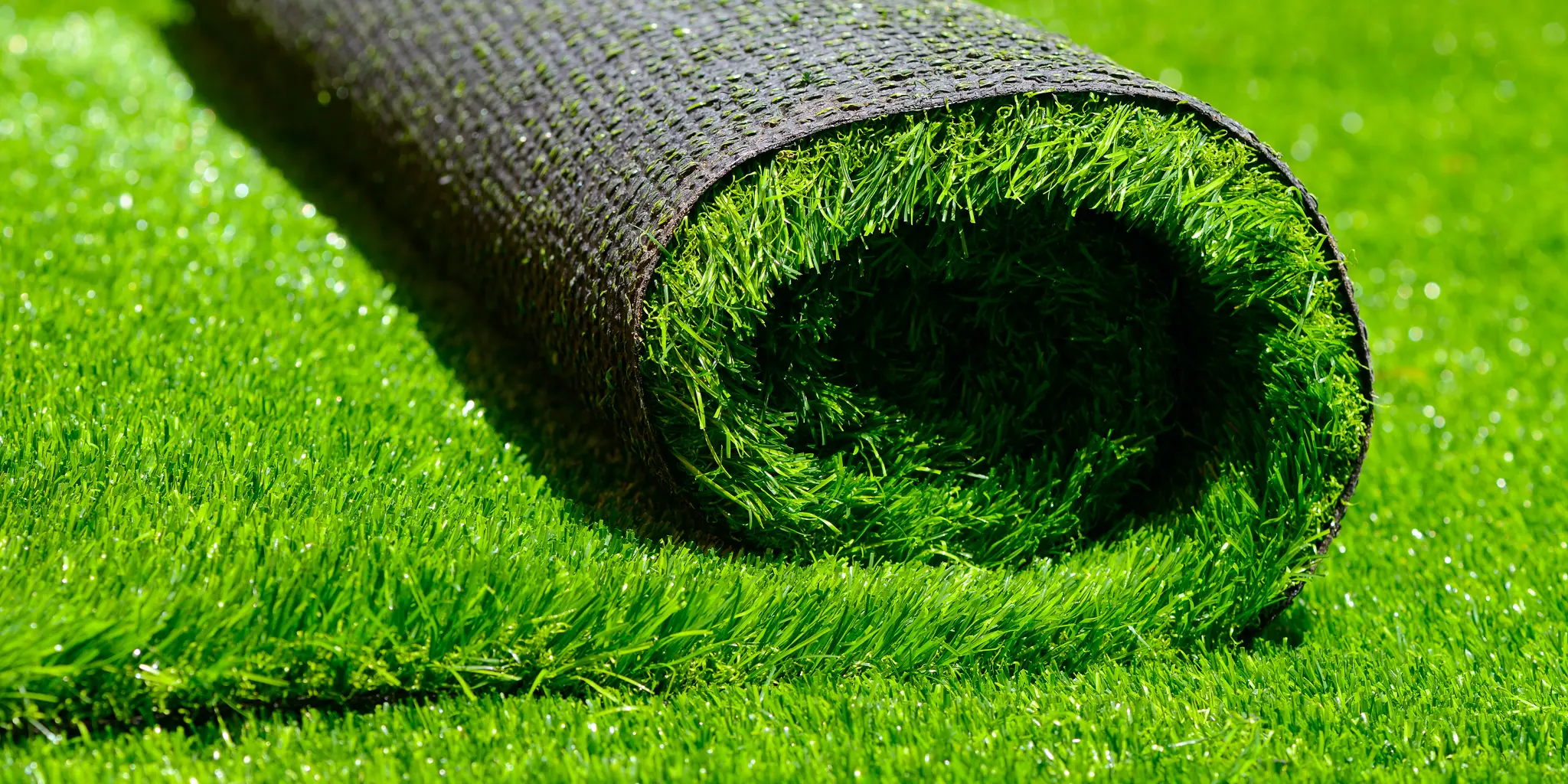
Turf rolls are placed, seams are bonded, perimeter is secured, and infill is distributed and groomed to completion.
5. Final Inspection and Handoff
Surface condition is reviewed, edge and seam quality is confirmed, and maintenance guidance is provided for the new installation.
When Replacement Is the Right Decision
Replacement is appropriate in several specific situations across the Humble and IAH-area market.
End-of-Life Residential Installations
Atascocita, Humble, and Eagle Springs installations from the 2012-2018 wave that have reached the point where repair costs are no longer proportionate to remaining service life.
Widespread Seam and Backing Failure
Installations where seam failures have occurred in multiple locations and the backing shows consistent degradation across the surface.
Base Performance Failure
Sites where the original base preparation has failed broadly enough that targeted base repair cannot restore adequate drainage or surface stability.
Commercial Property Renovation
Hotel, office, and aviation support facility property renovations that include turf replacement as part of a broader exterior update.
Why Replacement Done Right Matters
A replacement that simply puts new turf over an inadequately prepared base will follow the same degradation pattern as the original installation. For households in Humble and Atascocita who have already been through one cycle of repair-and-replace, the goal is a new installation that performs well for a full service life—typically ten to fifteen years under normal residential conditions. Turf Installation of Humble treats replacement as a complete scope that addresses whatever caused the original installation's problems, not just a materials swap.
Replacement Scope Factors
Replacement project pricing reflects removal, base work, and new installation requirements. Key factors:
Total Area and Shape Complexity
Larger and more geometrically complex areas require more material and labor for both removal and new installation.
Sub-Base Condition and Required Correction
Bases requiring significant re-grading, stabilization, or deeper aggregate replacement add to the scope.
Material Removal Complexity
Older backing systems and multi-layer installations from some earlier-period projects require more removal effort.
New Material Specification
Product selection for pet areas, pool surrounds, and high-traffic commercial zones differs in cost from standard residential lawn turf.
Access Constraints
Properties with limited equipment access affect both removal efficiency and new installation staging.
Service Area Coverage
Turf replacement service covers Humble, Atascocita, Eagle Springs, Fall Creek, Summerwood, Atascocita Forest, Kingwood, Spring (IAH-side), FM 1960 corridor, Greenspoint, Channelview northern, and the surrounding Bush IAH corridor communities.
Frequently Asked Questions
How do you determine if replacement is better than continued repair?
We assess the surface condition across the entire installation, not just the failed sections. When multiple failure indicators are present across the surface and the installation age suggests remaining life is limited, replacement is typically more cost-effective than sequential repairs.
What happens to the old turf material?
Removed turf and base material are disposed of as part of the replacement scope. We handle removal and disposal as standard project elements.
Does the base always need to be replaced?
Not always. We assess sub-base condition and retain and correct material where that is sufficient. Full base replacement is specified when the existing base material cannot be adequately re-graded or stabilized.
How long does a replacement project take?
Typical residential replacement projects complete in two to four days depending on size and base work requirements. Commercial projects vary based on operational coordination requirements.
Can you replace sections rather than the full installation?
Yes. If the surface condition is acceptable in some zones and failed in others, zonal replacement is a viable approach—provided the remaining sections are not showing early-stage indicators of the same failure pattern.
Are replacement projects available in all Humble and Atascocita neighborhoods?
Yes. We serve the full Humble, Atascocita, Eagle Springs, Fall Creek, Summerwood, and surrounding IAH-corridor area for replacement projects.